5/8/09

Grilled Artichoke Wine Pairing Recipe--and Jesusita Fire Santa Barbara


GRILLED ARTICHOKE WITH GRATED CHEDDAR:
4 large artichokes
3 lemons: 1 lemon cut in quarters, 2 lemons halved
about 1 cup olive oil
1/2 cup grated hard white cheddar
1 cup mayonnaise
paprika, salt and pepper
Cut the artichokes in half, cut out the choke (the thistles at the heart of the artichoke), and trim off the sharp ends of the leaves. (Using kitchen scissors for the leaves is much easier than cutting with a knife.) Rinse the artichoke halves and shake dry. Rub with the cut lemon all over (this keeps the color of the artichokes)
Steam for 15-20 minutes--until an outer leave pulls off easily and the stem can be pierced with a fork. As soon as they are done, plunge into cold water to stop the cooking and drain. Coat all over with good quality olive oil (the quality of the oil will make a difference in the final taste of the dish).
Preheat the grill to medium. Shake off excess oil (to avoid oil dripping on the flame or coals and causing a fire!) and place the artichokes face down. Cook about 5 minutes, watching and turning them as needed. You want the  outside lightly charred but not burned and the inside warm.
Platter the artichokes with the centers up and sprinkle with grated cheese. Serve with the lemon mayonnaise below. Serves 8 as a side dish.
Grilled Lemon Mayonnaise:
While you are grilling the artichokes, grill the lemons face down for about a minute. Let them cool a bit, then squeeze the juice into the mayonnaise. Stir well, season to taste with the salt and pepper and sprinkle with paprika. Serve the grilled artichoke with the lively 2005 Thumbprint Cellars Cabernet Franc.
THE SANTA BARBARA JESUSITA WILD FIRE:
The grilled artichoke recipe was chosen last week; this week the idea of grilling anything is far from the minds of Santa Barbarans. We're in day four of the Jesusita wildfire and the ashes of the houses of our friends and neighbors fill the smoky air, wafting down like snowflakes and covering our cars and decks. The darkened sky thrums with the sounds of helicopters and planes making a loop from reservoir to fire, dropping their payloads at the edge of this monster that has caused tens of thousands to flee with the few things they could grab as they evacuated.

This Jesusita wildfire started as just a slim wisp of smoke near some power lines in the foothills above Santa Barbara on Tuesday, which was an uncharacteristically hot day in this city with near perfect temperatures year round. When I first saw it on the news, it was just two acres at 2 pm and could easily been doused by air drops. But it takes a disaster before a State Of Emergency is declared and full resources can be deployed. So when the winds picked up in the afternoon, the fire quickly ripped across the foothills above the heavily wooded Mission Canyon neighborhood and became a menace. Then the winds abated, and by the morning the fire looked like it was just a thin ring around the burn area and the smoke was light. But looks are deceiving and all bets are off when 60+ mph winds drive oxygen into flames. The dreaded sundowner winds created monster 100' flames that spit embers for miles. An enormous column of smoke rose above town, visible as far as Thousand Oaks. For about half an hour, when the winds were at their peak and were blowing right toward downtown, we feared the historic downtown might catch the embers and ignite. Fortunately, the capricious wind changed direction, but not all were spared, our friends' house in the photo was burned that night. They had just escaped the Tea Fire which had taken houses right up to the neighbor to their east. The Jesusita fire took only one home on their street--theirs. They found their Vespa intact and several paintings that firefighters had kindly removed and set on their driveway. Many thanks to the brave firefighters who are sweating and toiling to save our beautiful city! Thursday morning, again, the fire sat down and waited for the winds. This time, their whim was to blow west, scorching miles of scrub and homes set in the canyons above San Roque and San Marcos pass. Strangely, while the winds and firestorm raged in the foothills just five miles from us, we sat out on the deck in perfectly calm weather looking at the moonlight on the ocean. It was a surreal juxtaposition of Southern California and Currier & Ives because huge "snowflakes" were gently wafting down--"snowflakes" of ash. Today the fire rages unabated above Santa Barbara from San Marcos pass to Montecito. If the wind turns again towards the ocean, we are in dire danger because the fire line is so long, maybee 5-6 miles, that if it pushes into town, nothing short of a miracle will stop it. Keep us in your prayers!
Our hearts go out to those who have lost their homes and to all who have taken refuge. We have six fire refugees staying with us, every available bed and couch is filled extra blankets and pillows borrowed from neighbors.

Since this blog is supposed to be about wine and food, let's talk about what to feed a houseful of people. Luckily we had stocked up on Edna Valley Chardonnay during the last Wine Clearance Sale (subscribe to the FREE, no-obligation wine newletter Online Grapevine to hear about future sales). The wine paired well with smoked chicken sausage, Italian Tofurkey tofu sausage, steamed homegrown beets and greens with butter and lemon pepper, crusty bagette and a Greek salad. The 2006 Midlife Crisis Chardonnay from our Wine Cellar would pair well with this meal.

4/30/09

Sri Lankan Masala


SRI LANKAN MASALA
6 tsp. cumin seeds
6 cardamon pods
4 coriander seeds
6 tsp. fennel seeds
1 clove
1" stick cinnamon
1/4 cup red wine vinegar
2 Tbsp. tomato paste
1 tbsp. coconut milk or yoghurt
1/2 pound firm white fish cut into chunks (can also use chicken or meat)
Sesame oil
Crush the cumin, cardamon, coriander, fennel and cloves in a spice grinder. Film a cooking pot with oil, and cook the spices in the oil over low heat for a minute. Add the vinegar and tomato paste and cook for 2 minutes over low heat. Add the fish (or meat) and cinnamon stick, stir, cover and cook over the lowest heat for 20 minutes, stirring often. Add the coconut milk, stir, add salt if needed, and cook another ten minutes. Remove cinnamon stick and serve over rice pilaf. Serves 4 as part of a meal.
ABOUT THE WINE PAIRING RECIPE:
Sri Lanka is a tropical island about 1/6 the size of California off the southeast coast of India. Lush and tropical, Sri Lanka is renowned from its spices and its cuisine has been influenced both by India and the many traders who have come to take advantage of natural resources such as rubber, tea and coconut. Roast beef and chicken came from the British, the popular rice pilaf called Lamprais and meatballs wrapped in banana leaf called Frikkadels are Dutch-influenced and many of the desserts came from the Portuguese. Sri Lankans learn to cook from their families and rarely use a recipe, so dishes will vary quite a bit. The common element of Sri Lankan cuisine is their liberal use of spices, particularly chilli, cardamom, cumin, and coriander; and the use of coconut. This recipe is adapted from a recipe given to me by Jasmine, a lovely Sri Lankan lady who invited me over to her house to try the cuisine of her native land. She doesn't need to measure her ingredients, so I worked on replicating the same taste at home with measurements for those of us who did grow up having these delicious dishes every day. Jasmine served it with rice pilaf and three vegetable dishes, including the below, also adapted. Jasmine is one of the founders of "Children Of Joy" which provides a home for girls orphaned by the Sri Lankan civil war.
SRI LANKAN GREEN BEANS
1 1/2 cups green beans
1/2 cup thinly sliced onion
1 clove garlic, minced
2 Tbsp. oil
1 Tbsp. cardamom pods
1 Tbsp. cloves
1 cinnamon sticks
1 tsp. turmeric powder
Salt to taste
Grind the cardamom, cloves, cinnamon and turmeric together until fine. Cover bottom of a saucepan with the oil, fry the garlic and onion over low heat until onion is translucent. Add spices and cook, stirring for a few minutes to release the flavors. Add the beans and cover. Cook until green beans are soft, stirring occasionally. Salt to taste. Serves four as part of a meal.

ABOUT THE WINE--THE 2005 SUNCE MALBEC:
This week's recipe pairs well with the Sunce Malbec from the Russian River appellation of Sonoma County. We had an unbelievable special on this wine--just $15 for this bottle that retails for $50. When you use your 10% off coupon (offer ends 5/10/09 as supply lasts) you are buying this bottle for just $13.50! The 2005 Malbec: exudes a typical Malbec nose: rich, deep aromas of fruitcake, truffles, and hints of anise. In the mouth this inky wine shows balanced fruit from start to finish, with flavors of black cherry, raspberry, and mild earth as well as nuances of vanilla and spiced clove. Exceptionally age worthy for 12-15 years." Sunce Wines are Estate grown and sustainably farmed. Only 20 barrels of this wine was made, so it is very difficult to find. To see this week's wine special, click here.

4/22/09

Tips On Making New Mexican Chili Rellenos

How To Make Authentic New Mexican Chili Rellenos
I grew up in Colorado and my family would drive down a couple times a year to Santa Fe to visit friends, so I grew up eating blue corn enchiladas at the now famous The Shed restaurant and the crispy, puffed sopapillas at the local's hangout Plaza Cafe, as well as home-cooked meals in the houses of our friends. I remember the chili rellenos in particular, just a light coating of egg (with just a touch of flour) around chilis which had been charred to remove the skin and stuffed with melted cheese and surrounded by sauce made from scratch. Que rico!
What a shock to move to California and bite into a pillow of deep fried dough! That's the way chili rellenos are made by most restaurants outside of New Mexico--battered and fried with canned sauce. I never order chili rellenos any more, just make them at home. It's a bit of work, but worth every minute of prep time.
What wine to pair with chili rellenos? Try pairing a Zinfandel to stand up to hot New Mexican food if you've made your chilis fiery, or a fruit-forward red if the heat index is set to mild--I tried the Cosentino '05 Syrah from the Touring & Tasting cellar which complemented the deep flavors of the rellenos.
By the way, spring brings squash blossoms to our gardens and farmer's market. Substitute them for the chilis for a lighter dish, perfect for breakfast or brunch.

Authentic Chili Relleno Recipe
For sauce:
12 dry red chilis (from a ristra* if you are lucky to have one, or you can find dry red chilis in a Mexican market)
2 tsp olive oil
1 cup minced onion
4 cloves minced garlic
1/2 teaspoon Salt
2 Tbsp. cumin
3 cups peeled, chopped tomatoes
Fresh cilantro
Using gloves, wash the chili pods and remove all the seeds and the "veins" or fibers that hold the seeds. Put into a saucepan with 2 cups of water and bring to a boil. Then simmer for 15 minutes. Pour into a blender and whirl until well blended. While the chilis are simmering, you can heat the olive oil in a saucepan. Simmer the onion and garlic until onion is transparent, then add seasonings and cook another 5 minutes. Add tomatoes and cook another 5 minutes. At this point, you can puree the onion and tomatoes in the blender if you want a completely smooth sauce (for instance, if you are going to use this sauce for enchiladas instead of rellenos) Otherwise, add 1/2 the chili sauce and taste it--if you want more spice, add the rest. Then cook another 10 minutes, adding salt and pepper to taste.
For chilis:
4 green chilis, preferably New Mexican Sandia
Monterey Jack, cut in sticks 1/2"x1/2"x 1" less than the length of the chili
3 eggs
1 Tbsp. milk
3 Tbsp. flour
1/4 tsp salt
1/4 tsp pepper
1/2 tsp ground sage
Roast the chilis on the grill or under the broiler, turning as they blacken so the whole skin is puffed up and charred. Where the skin is still bright green, the skin will still stick to the chili. Run under cool water and peel off the skin (don't put the skins down your disposal!) Carefully make a slit in the side of each chili and with a sharp knife, cut the top of the fibers that hold the seeds. Carefully remove all the seeds and dry the chilis on paper towels.
Stuff each chili with a stick of cheese. Whisk the eggs, milk, flour and seasonings. Heat a frying pan coated with oil and pour in 1/4 of the egg mixture, turn the heat down to low immediately and place one chili on one side of the pan--you're going to cook the egg a bit, like an omelet, then roll up the egg so the chili ends up in the middle. Put the cooked chilis in a heated pan and when they are all done, spoon the sauce over and enjoy!
*Ristras are wreaths of dried red New Mexican chilis. If you travel to New Mexico, you can bring one home and hang it on your wall--when you need red chilis, just pull them off!
Note: New Mexican red chili is really HOT, with powerful capsaicinoids--the chemical compounds that give that burning "chili" sensation. If you get it into a nick or cut in your hands, it will hurt, so use gloves. Also, make sure you don't touch a chili when cleaning it and rub your eye with your hand.

4/15/09

Two Panzanella Wine Pairing Recipes


Two Panzanella (Italian bread salad) Recipes:capsaicinoids
Enjoy with the 2005 Castello di Monastero Sangiovese.VERSION 1:
2 cups cubed dry bread (set it out overnight if it is fresh)
olive oil spray
garlic powder
1/4 cup grated Parmesano Reggiano
salt
I can drained Northern white beans
bunch fresh basil, chopped
1/2 pound mozzarella in chunks
1/2 red onion, chopped fine
1/2 lemon--juice of
4 cups arugula
4 Tbsp. old red wine or red wine vinegar
2 Tbsp. balsamic vinegar
2/3 cup olive oil
1 Tbsp. salt
fresh ground pepper to taste
Preheat the oven to 400 degrees. Spray the cubed dry bread with the olive oil on all sides, then sprinkle all sides with garlic powder, salt and fresh ground pepper. Toast in the oven until light brown, stirring occasionally, then sprinkle with Parmesan cheese and toast until medium brown. Take out of the oven and set to the side.
Put the rest of the ingredients, except the arugula, into a large serving bowl and mix. Adjust the balance of the dressing by adding more salt and balsamic vinegar to your taste. Toss in the arugula and toasted bread just before serving.

VERSION 2:
2 cups cubed dry bread (set it out overnight if it is fresh)
olive oil spray
garlic powder
1/2 cup grated Parmesano Reggiano
salt
1 tomato chopped
I can drained corn kernels
1 can drained artichoke hearts or 1 1/2 cups fresh steamed baby artichokes
4 cups arugula
1/3 cup old red wine or red wine vinegar
2/3 cup olive oil
bunch fresh basil, chopped fine
3 Tbsp. fines herbes
1 Tbsp. salt
1/2 tsp. pepper
Preheat the oven to 400 degrees. Spray the cubed dry bread with the olive oil on all sides, then sprinkle all sides with garlic powder, salt and fresh ground pepper. Toast in the oven until light brown, stirring occasionally, then sprinkle with half the Parmesan cheese and toast until medium brown. Take out of the oven and set to the side.
Mix the basil, fines herbes, vinegar, olive oil and the rest of the Parmesan together, then adjust the balance of the dressing by adding more salt and balsamic vinegar to your taste. Mix with the vegetables, then toss carefully fold in the toasted bread just before serving. Enjoy with the 2005 Castello di Monastero Sangiovese.
NOTES: bread with large airspaces, like foccacia works best. Dense bread doesn't let the air in to crisp properly. Also, fresh bread that is moist will not crisp well, so this is a great recipe to use for bread that is still edible, but getting dried out. If you can't find spray olive oil, use 1/3 cup regular olive oil and 4 cloves minced fresh garlic, but this tends to saturate the bread cubes, using olive oil spray will keep the inside of the cubes dry. I used curly French arugula from my garden, but you can substitute any greens that have some structure--like frisee or romaine. Avoid lettuce that will get limp under the weight of the vegetables.

4/9/09

What's So Special About Napa Cabs?

It's been over 30 years since the Judgment of Paris wine tasting put Californian Cabernet Sauvignons front and center on the world's stage. If you haven't read the history (or seen the romanticized film Bottle Shock), European winemakers and afficionados used to look down their noses at American wine. Were they surprised when the Stag's Leap Wine Cellars 1973 Stags Leap District Cabernet Sauvignon beat out classified Bordeaux Estates like Château Mouton Rothschild, Château Montrose, Château Haut-Brion and Château Léoville-Las Cases in a blind tasting conducted by French wine experts!

Since then, Napa winemaking has grown (in stature and in physical dimensions) to become an internationally recognized wine powerhouse. Year after year, stellar wines have cemented Napa's reputation. The quintessential Napa Cab is layered, complex, but with texture and structure to allow the aromas and flavors reveal themselves.

Interestingly, only 9% of Napa Valley is planted in vineyards. Despite its huge reputation, Napa wines represent just 4% of California's wine production--a reason, besides the taste, that Napa wines sell at a premium.

4/8/09

Spiced Oven Beef Stew Wine Pairing Recipe


SPICED OVEN BEEF STEW:
1/2 cup water
2 tsp. allspice
1 bay leaf
3 lb. chuck roast cut into 2" chunks
1/2 cup red wine
3 tbsp. olive oil
3 medium onions, cut in chunks
1 cup beef broth
2 tsp. salt
2 tbsp. oregano
1 tbsp. marjoram
1 tbsp. thyme
1 tbsp. dry parsley or 4 tbsp. chopped fresh
1/2 tsp. sage, crumbled
6 medium potatoes, quartered
2 ribs celery, thickly sliced
6 carrots, thickly sliced
In a saucepan, boil water, bay leaf and allspice. Cool a bit, then put in a glass bowl with the meat and wine, mix well, cover, and marinate in the refrigerator for 2 hours, stirring occasionally. Remove meat and reserve liquid. Brown meat with onions in the oil over medium heat. Add the liquid, beef broth, salt, and the rest of the seasonings. Cover and bake at 350° for 1 1/2 hours stirring occasionally. Add potatoes and carrots and celery; cover and cook 30 minutes longer, or until meat and vegetables are tender, stirring every 10 minutes. Serves 4.
Enjoy with the 2005 Frank Family Vineyards Cabernet Sauvignon.

4/1/09

Cheese 101

People thought WE were nutty for cheese--going two hours out of our way on a trip up north to take in a day of the California Artisan Cheese Festival in Petaluma. But, in the first seminar, we met two (unrelated) parties who had driven all day Friday from Orange County and would drive back Sunday night. Now those are true CHEESEHEADS!

I stumbled across this festival online and will be seriously considering making travel plans next year. For those of us who adore cheese, what could be better than an event all about tasting and learning about one of our favorite foods. All I can say is that I'm glad we didn't get tickets to the elaborate dinner Saturday night as it was all we could do to roll ourselves up to the room and beach ourselves on our beds like great whales washed ashore!

But...what we missed was an exquisite Gala Dinner of six courses, all with local artisanal cheese, paired with boutique wines and prepared by a stellar roster of chefs, including one of our favorites: Duskie Estes of Zazu in Napa (see my Thursday, January 22, 2009 blog). Sigh.

With many seminars to choose from, we ended up with "Preserving & Advancing the Artisan Food Movement" , "Blues Around The World", "Cheese Appreciation 101" and "Artisan Cheese In Everyday Cooking".

Here are my notes from the Cheese 101, led by Judy Creighton from the Cheese School of San Francisco, everything you need to know about how to taste cheese and get the most out of the cheese tasting experience:
How To Taste Cheese:
  1. Take a good look at your cheese. Just like when you taste fine wine, you swirl it in the glass to view the color and body--look at the color and texture of the cheese. Poke it with your finger! Is it soft, crumbly, curdy, firm?
  2. Smell it. As you would judge the aroma of wine, assess the cheese aroma. Is it weedy, moldy, fruity, fresh smelling?
  3.  Take a small bite and move it all around the mouth. Just like wine, again, you want it to hit every part of the palate so you can savor all the five flavors: bitterness, saltiness, sourness, sweetness and umami (a savory sensation caused by compounds such as glutamate) and the seven ancillary sensations: dryness (as in tannins), metallicness, hotness (of chilis), coolness (as in menthol), numbness, kokumi (heartiness from amino acid extracts--called mouthfeel in wine tasting), and temperature. All of the various combinations of these taste sensations result in myriad experiences in tasting cheese!
  4.  Along with the above, note the texture of the cheese which can be a factor in whether or not you care for that particular sample.
  5.  Note the aftertaste, which may be different than the sensations you have while the cheese is still in the mouth.
The American Cheese Society uses the following terms:
BODY: buttery, chalky, close (like a wine that is closed), corky, cracked, creamy, crumbly, curdy, defective rind, firm
TEXTURE: gassy (like Swiss Emmenthaler), greasy, hard, mealy, oily, open, pasty, rough, rubbery
APPEARANCE: runny, separation, smooth, supple, soft, soiled, spreadable, translucent, waxy, weak
BOTH AROMA AND FLAVOR: acidic, animal taste, barny, bitter, buttery, chemical, clean, complex, condensed milk, cooked, creamy, delicate, earthy, feedy-weedy, flat, fragrant, fresh, fruity, pleasant/unpleasant, malty, metallic, mild, milky, moldy, nutty, piquant, pungent, rancid, salty, satisfying, sharp, sour, strong, stale, tangy, tart, sweet, lacking in flavor, yeasted

Intrigued? Buy this week's wine special and try some cheese with it. See how the cheese changes when the wine accompanying it changes. Take some notes and compare with friends and if you have any super cheese pairings to suggest with one of this week's wines, please email and I'll post the suggestions next week.

Here are my general suggestions for cheese pairings with this week's wine special:
'04 Collier Falls Zinfandel--Muenster or Point Reyes Blue
'02 Collier Falls Cabernet Sauvignon--cheddar or Parmesan
'06 Collier Falls Primitivo--Gouda or Pecorino

Arugula Salad With Toasted Hazelnuts and Shaved Midnight Moon


6 small handfuls arugula
1/3 cup hazelnuts
1 clove garlic
1 1/2 tablespoons sherry vinegar
1 1/2 tablespoons red wine vinegar
6 tablespoons extra-virgin olive il
2 ounces Midnight Moon or Parmesano Reggiano shaved
Kelsie Kerr, a chef at Alice Water's famed Chez Panisse Restaurant, used Cypress Grove's Midnight Moon but you can substitute a good Parmesano Reggiano. Preheat the oven to 350. Toast the hazelnuts about 15 minutes until deep brown. Place the hot nuts in a towel and roll them to remove their skins. Chop them coarsely. Mix the vinegars with salt and fresh ground pepper to taste. Let sit a few minutes to infuse. Whisk in the olive oil and adjust dressing to taste. Toss the arugula with the vinaigrette and half the hazelnuts. She suggests using your hands to toss the salad so you can feel the right amount of dressing--enough to coat the arugula. Arrange on a plate and "fluff" so the salad looks beautiful. Garnish with cheese and the rest of the nuts.

3/26/09

Gougeres--Gruyere Cheese Puffs

This week's wine pairing recipe click comes from Kelsie Kerr at the 3rd Annual California Artisan Cheese Festival in Petaluma last weekend. Kelsie is a chef at the famed Chez Panisse Restaurant and co-author of Alice Water's latest book. We had the chance to sample her delicious cooking at one of Saturday's seminars.

If you haven't had gougeres before, they are a treat and delectable on their own or stuffed as appetizers. Our recipe this week uses classic Gruyere for a good match with our white wine selection, but Kelsie's recipe was made with Gravenstein Gold--an artisanal cider washed raw goat milk cheese from Redwood Farms in Sebastapol, CA. Her gouyeres were pungent and a bit sharp and would have been perfect with a nice Napa Cab!
The dough for gougeres is basically a choux paste--like one used for the cream puff shell, but with no sugar, a bit more salt and grated cheese. A few tips to add the to recipe (see link above) to insure your cheese puffs are crisp all the way through:
  • Have all your ingredients and utensils ready, including having your eggs at room temperature. A good way to do this is to put the eggs (in their shells) in warm water in your mixing bowl for a several minutes. That way both the eggs and bowl will be the correct temperature.
  • Preheat the oven to 400--this is important because the oven needs to be hot to cook the puffs fast so the liquid will turn to steam and puff up the dough.
  • Make sure you cook the dough a full minute after it starts coming together--meaning a minute after the flour starts to thicken the dough. The will be fairly stiff before the egg goes in.
  • As mentioned in the recipe, use the egg, not water to adjust the thickness of the final dough.
  • You can make the gougeres bigger--say 4 inches across to use as a shell for a tuna salad, for example, but make sure the dough rounds are flat and not mounded, so the insides will cook and crisp.
  • To make a choux paste, reduce the salt amount to 1/4 tsp, do not add cheese and add 2 tsp sugar.
Click here to read "Cheese 101".

RECIPE FOR GRUYERE GOUGERES:
1/2 cup water
3 tablespoons butter
1/2 teaspoon salt
1/2 cup flour (unbleached is best)
2 eggs
3 ounces Gruyere cheese, grated
Preheat oven so it is at 400 degrees when the gougéres are ready to bake.
Heat the water, butter and salt in a small heavy bottomed pan until the butter is melted. Do not let boil. Stir in, at once, the flour and whisk until the dough comes together. Continue whisking over the heat for a minute. Transfer the batter to a mixing bowl and allow to cool slightly (this helps cool the batter--otherwise the egg will cook when added).
Crack in one egg and beat in. Whisk the second egg in a small bowl and add 1/2 and beat in. Assess the batter--it should cling to the whisk but also drip off, in other words, runny enough to drip off the whisk but thick enough that some of it is still clumped on the whisk. Add the rest of the egg and beat well if the dough was too thick.
Stir in cheese. Scoop up dough with tablespoon and drop onto baking pan (a parchment paper liner will make clean up easier). The puffs should be about 2 inches wide and 1 1/2 inches apart. Bake for 10 minutes at 400, then turn the oven down to 375 and bake for 15 minutes or until dark golden brown and crispy. Remove from oven and make a small slit in them with a sharp knife to let out steam and keep them crisp. Serve warm or warm later in 375 oven for 3 minutes.
Recipe makes about 40 tiny, or 20 small puffs.

3/19/09

Saving Money In Hard Times


We're all looking for ways to cut costs and stretch our dollars! Here are some ideas for saving money without depriving yourself. Here are some tips on saving money:

Shop in the bakery early in the day for mark downs on day-old items.
Shop in the meat department late in the day when items about to go past the "sell by" date go on sale. This meat is perfectly safe and can be frozen to be used later.
Buy store brands. The quality is often the same as brand names but they're less expensive since they don't pay big bucks for TV and print advertising.
Avoid processed foods. They may be convenient, but they're more expensive and less nutritious. Look at websites like Epicurious.com for quick meal recipes--and past recipes on this blog.
Clip coupons. Look for free items, that you will actually use, and stores that double or triple coupons. There are also websites with downloadable coupons, but beware of getting on a mailing list that generates a lot of unwanted mail.
Compare prices: look closely at the tag on the shelf which has the price per unit. Sometimes a package that looks cheaper is actually more expensive per item.
Buy in Bulk. Things cost less if you buy larger quantities. But, don't buy things just because they're cheap. Unused food is wasted money.
Make a list and stick to it--avoid grabbing miscellaneous items on a whim. Grocery stores know consumers do this so they load up the check out stand with profitable items.
Eat your leftovers. Surprisingly, some people toss their leftovers which wastes money. Freeze servings of your cooking for easy meals later. This also saves you from having to buy pricey packaged frozen meals.
But don't deprive yourself. Like choosing a diet to lose weight, you need to have food that you enjoy. If your diet is so harsh that you feel deprived, you'll end up overeating. So, keep a few things you like, like wine, in your budget. A nice bottle of wine makes a meal special. Dress up your table with candles and toast to a "meal out" at home! Another wine savings idea: our Recession-busting Grand Tour Wine Club.
Eat lower on the food chain. Meat and seafood are expensive and some include unwanted saturated fats. Grains, beans, soy and nuts are protein-rich without artery-clogging saturated fat. Check out past blog entries for meatless recipes!
If you eat meat, eat less. The average American eats 50% more protein than recommended. The USDA defines a serving of ground beef as 3 ounces (less than 1/5 of a pound). An example of a good dollar-stretching strategy is to make a meat dish and eat half your normal portion, then keep the rest for leftovers another day--two meals for the price of one!
Save your red wine leftovers. If you have a bit of wine leftover after a few days that is getting vinegary--save it and use if for salad dressings. I keep refilling a bottle with leftover red wine and sprinkle my salads with it, fines herbes, salt, freshly ground pepper and good olive oil. Delicious and less expensive than store bought.

2/26/09

Touring & Tasting Onboard in Napa Valley

If cruising in a ship filled with thousands of other people sounds overwhelming, Cruise West has the solution: medium-sized boats of 78 to 138 passengers. They offer ocean cruises to Asia, Mexico, Central America, the South Pacific, and freshwater cruises in the US and Canada. On our Vintner's Choice cruise from San Francisco to Napa Valley, Sausalito, and Sonoma, I found that most of our fellow passengers had taken Cruise West before. One couple raved about the Cruise West ship in Alaska that took them up the fjords for an up-close look at wildlife—an impossible fit for a large ocean liner. Another couple from Texas was on their 10th Vintner's Choice tour. They reported Cruise West varied the itinerary each time, they loved the food and found the ship size big enough to meet a variety of people, but small enough to feel cozy. We were part of a special group of wine and travel writers on this trip, with a special table and wines provided by Cruise West.

Our adventure started with a greeting from Cruise West personnel at the airport. We were shuttled to a hospitality center at the Holiday Inn at Fisherman's Wharf. Unfortunately, the boat had a mechanical problem that prevented us from boarding the first night, but the Cruise West personnel made up for it with a nice hotel and an elegant dinner at Ca Bianca in Santa Rosa. Inside the beautifully restored Victorian building, the wine flowed courtesy of Cruise West: a Scarbolo from northern Italy for the first course of salad with avocado and caramelized red onion. Domaine Laurier Merlot and Zabaco Sonoma were served with the entrée; I chose the grilled salmon on potato gratin.

The next morning we were off to Napa Valley to a wine blending demonstration at the Culinary Institute of America with Master Sommelier Catherine Farris. Our mission was to blend the five grape varietals in a Bordeaux-style wine: Cabernet Sauvignon, Merlot, Cabernet Franc, Petit Verdot and Malbec. Each grape contributes its own aroma, flavors, mouth feel, acidity or tannin. Using a pipette (like a long glass straw with milliliter markings on the side) we could blend our own wine and have it tasted by Catherine. This gave me an appreciation of the winemakers' skill--it's not easy to blend great wine!
Afterwards, we were treated to a cooking demonstration by one of the ACI chefs. Their facility is a state-of-the-art showcase for all things food and wine. In a gleaming amphitheater with multiple monitors demonstrating an overhead camera view of the stovetop, our chef prepared Roasted Tomato Risotto with Basil Oil. Risotto is difficult to prepare properly. We were able to watch, and then taste his skillful preparation. In addition, we were given a complimentary bottle of Guenoc Cabernet Sauvignon.


Lunch was at the renowned Michelin-starred Auberge du Soleil, overlooking the verdant Napa Valley. After a flute of champagne and hors d'oeuvres on the terrace, we feasted on field greens salad with walnut oil and pears, baked chicken with Brussels sprouts. The pairing of Gregory Graham Sauvignon Blanc was a perfect complement. At the end, we each received a free gift and a personally signed recipe from the chef.

The Wine Enthusiast Magazine calls Mumm Napa "one of the best tasting experiences in America." Mumm Napa sparkling wines are made by the same method used in France, known as the Méthode Champenoise, in which the wine undergoes a second fermentation in the bottle to create the bubbles. The yeast must be extracted from the bottle after fermentation. We marveled at the mechanical riddling machine, which consolidates sediments in the neck of the bottle where they can be flash-frozen and extracted. After a taste of their Mumm Napa Brut Prestige, we enjoyed their art gallery exhibit including original Ansel Adams photographs.

We were all excited to board the Spirit of Yorktown, which was docked on an arm of San Pablo Bay. The San Francisco waterway includes three bays and is 75 miles across, covering more than 1,600 square miles. As it was my first time on a cruise ship, I was thinking we'd be cramped, but our stateroom had ample floor space, comfortable beds, a nice bathroom with plenty of hot water and a first-class view from the expansive window. I was happy to discover our meals were made-to-order from the restaurant menu with many wonderful choices like Dungeness crab appetizer, fennel and wild mushroom soup, roast lamb, and fresh halibut.
During the night the ship moved to Sausalito. We woke to a glorious view of the bay at sunrise. Some of my new friends were eating a Continental breakfast in the lounge area, but I had a hankering for pancakes and eggs. I was impressed by the helpfulness of the staff--a waitress in the restaurant gladly offered to bring my meal up so I could stay with my group. Small niceties like this on the part of the crew made our voyage memorable.

After breakfast, we took a short walk into town to Caffe Trieste to check our emails and have a latte. On the way back, we visited the free San Francisco Bay-Delta Model housed in a three-acre facility once run by the Army Corps of Engineers. The model is the size of two football fields and replicates the tide and water flows of the entire Bay/Delta. We returned to the ship and that night an enormous harvest moon spilled its light across the Bay. After dinner, we sampled Franciscan wines in a “Winetasting 101” class.

Thursday was a day for choices. A tour of Sonoma was included with the cruise. Optional tours at an additional charge were to Round Pond to see and taste fresh-pressed olive oil, a limo tour to visit Cabernet Sauvignon producers, or one could float in a hot air balloon over Napa Valley. Touring and Tasting was given a spot on a press tour of three premium Cab producers: Piña, Conn Creek and Spring Mountain.
The four winemaking brothers of Piña are continuing a Napa family tradition that stretches back more than 140 years. We were privileged to barrel taste their 2005 Cabernet Sauvignon from their D'Adamo Vineyard and the 2005 Cab from their Yountville Wolff Vineyard. Their limited-production, single-vineyard Cabs are so esteemed that most of their wine has sold through future contracts two years in advance--before it's even bottled!
At Conn Creek we had the rare chance to taste the 2007 Sauvignon Blanc right out of the tank, still cloudy with yeast. More educated palates than mine could discern the character of the fully matured wine from the just-fermented juice, but to me the flavor was like refreshing, but chalky, floral grapefruit. It was easier to appreciate the lusciousness of their red wines. Conn Creek will surely become even more of a destination in Napa when they open their blending room to the public in 2008. Here, barrels of Conn Creek Cabernet Sauvignon from each of the 15 Napa appellations are paired with a display of each vineyard’s soil and a description of its microclimate. This gives one a tremendous understanding of the effect of terroir. Equally impressive is the comparison of an identical Cab aged in either French , American or Hungarian oak. Added to this are barrels of the four other varietals for a Bordeaux blend, giving us innumerable possible combinations. We spent an enjoyable afternoon searching for our perfect wine blend, which was bottled for us with the label of our own design, to take home.

After a stop at the legendary Oakville Grocery in Yountville for sandwiches and salads, the limo carried us to classy Spring Mountain Winery for a picnic on their beautifully landscaped grounds. The Estate covers 845 acres rising from an elevation of 400 feet above sea level to 1450 feet. An ancient Roman method of head pruning called “gobelet” can be seen in some of the meticulously tended, steep, hillside vineyards. Spring Mountain reds regularly receive 90+ ratings. These are powerful, complex wines best cellared for 5 or more years. We sampled the 2002 and 2005 Elivette Reserve to see how the years developed the soft, supple tannins and concentrated the flavors. They also poured us one of their Library Wines, the 2000 Cabernet Sauvignon. 2000 was not considered a banner year in Napa, but the higher elevation Spring Mountain yielded a full-bodied, rich Cab.
Winemaker Jac Cole praised Vineyard Manager Ron Rosenbrand saying, “great wine begins with great grapes”. He calls grape growing “science in slow motion” because of the time it takes: three or four years for usable juice, five or six years before the grape produces the flavors desired. I asked how he blends when there are so many permutations possible; he stressed the importance of his years as an apprentice and his work experience that gives him a baseline from which to start. His eyes lit up as he explained that blending is an art. Having so many vineyards to blend is like “being a kid and getting the big Crayola box with 128 colors and knowing you can create anything you want on the paper".
After full and informative day, I skipped the onboard dessert wine tasting and went to bed early. This proved to be fortuitous as I woke before dawn to see the dark arc of a bridge passing overhead. The bridge was topped with a line of glowing streetlights that flooded the Sacramento River with a golden sheen. As I lay in bed watching the lights of the shore pass silently by and the sky fill with a pale morning blue, I understood why one would return again and again to see sights that one could never see from a car. I tasted great wine, learned a lot about winemaking--toured and tasted in style--sign me up for the next cruise!

Itineraries for the Vintner's Choice and Culture of the Vine cruises vary, for more touring and tasting ideas, click here.

2/19/09

Tofu: The Wonder Food

Some call tofu the "perfect food". It is high in protein, but low in calories--just 94 calories for 1/3 cake of tofu (1/2 cup), low in saturated fats and cholesterol free. The same serving of tofu gives you 227 mg of calcium, or 22% of your recommended daily amount, plus it is rich in iron and isoflavones, which studies suggest help prevent prostate cancer in men and osteoporosis in both sexes.

When one is raised eating Japanese food with tofu in most meals, the brands and varieties of tofu have distinctive flavors and textures. To those new to tofu, it can seem bland and requires marinating or cooking with flavorful sauces.
Below are some additional tofu recipes from MyRecipes:

curried tofuCurried Tofu
Nutritional Information
Calories: 292 (24% from fat)
Fat: 7.7g (sat 1.4g,mono 3.6g,poly 2.4g)
Protein: 10.7g
Carbohydrate: 46.2g
Fiber: 3.5g
Cholesterol: 0.0mg
Iron: 3.7mg
Sodium: 559mg
Calcium: 107mg


Deep Fried TofuDeep Fried Tofu

This tofu dish is simplicity at its tastiest. With every bite, the crispy, golden brown exterior gives way to the soft silkiness of the tofu within. With a sprinkle of salt and pepper, a squeeze of lemon and dip in some black vinegar, my taste buds are good-to-go. --from Table For Three


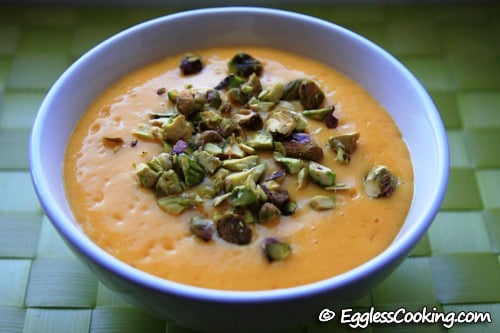
Tofu Mango Pudding
Fast food! Made healthy in an instant.

2/12/09

One or two things about Zin...

Thought by some to be the quintessential American grape, DNA "fingerprinting" has show that it is genetically equivalent to the Croatian grape Crljenak Kaštelanski, also Primitivo from the heel of Italy. That discovery has not eroded American's love of Zinfandel, instead, like Pinot Noir, the varietal is gaining in popularity every year. We think of Zinfandel with barbeques, Fourth of July picnics and hotwings, perhaps because Zinfandel used to be made into high-alcohol fruit bombs. But, Zinfandel is growing up and revealing its potential for subtlety and expression.

A few interesting things about Zinfandel:
There are two types of grape--White Zinfandel--higher in acid and picked early for less color and sugar, grown in the Central Valley of California; and Red Zinfandel--the best terroir being the California coast and Sierra Foothills, as well, of course, as the Napa/Sonoma area. Old vine vineyards are particularly coveted. A recent study found there is no overlap between red and white zin drinkers!

Over 10,000 people attended this year's ZAP festival in San Francisco (ZAP=Zinfandel Advocates & Producers, see http://www.zinfandel.org). They sampled 550 Zinfandels, ate 8,000 baguettes and 2,200 pounds of cheese.

2/4/09

Wine and Cheese


Are you a "cheesehead"? We are here at Touring & Tasting!

There's nothing better than a great cheese to pair with a great wine and the pairing is an art in itself. We hope to bring back many ideas from Sonoma County's California's Artisan Cheese Festival in March to compliment our fine wines. It used to be that great cheese was found only in Europe--I have returned more than once with my clothes smelling like Parmesan or Camembert de Normandie from the many pounds weighing down my luggage! But, in recent years, superb cheese is being made here, particularly in Northern California. So what better way to learn more about cheese and wine pairing from the artists themselves.

What is "artisanal cheese"? The American Cheese Society defines it as a cheese is produced primarily by hand, in small batches, with particular attention paid to the tradition of the cheesemaker’s art, and thus using as little mechanization as possible in the production of the cheese. The difference is kin to the difference between estate grown and bottled wine from hand-picked grapes and wine made by the millions of gallons. One can taste the care and attention to detail in an artisanal cheese or an estate bottle.